
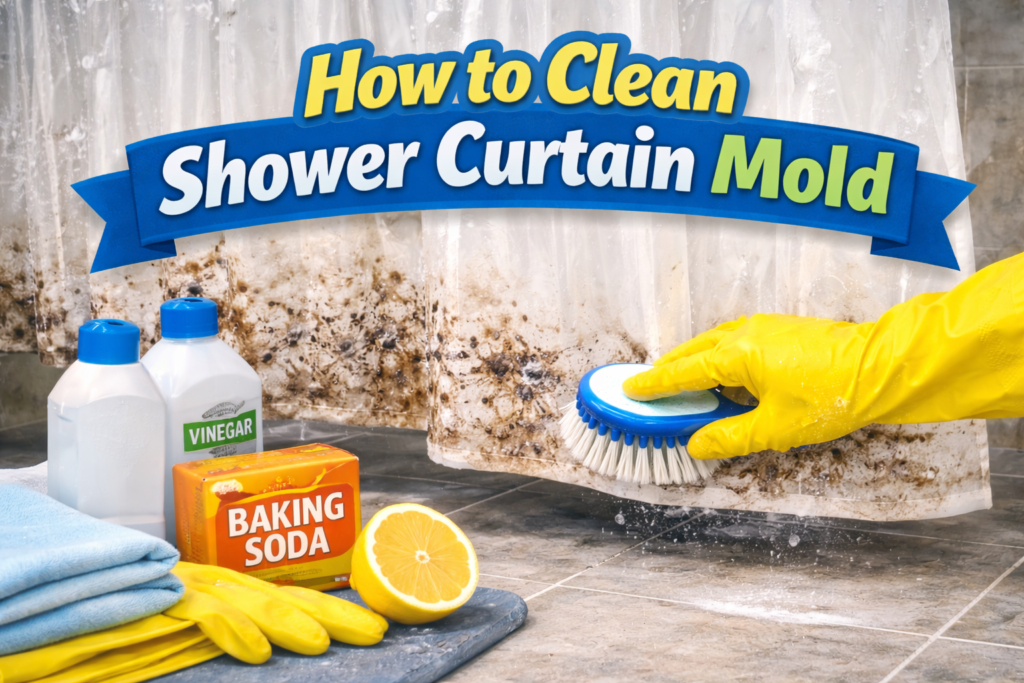
Did you know that bathroom surfaces can harbor millions of fungal spores if left unchecked? These tiny invaders thrive in damp environments, turning your relaxing oasis into a breeding ground for unsightly spots. Learning how to clean shower curtain mold is essential for keeping your home environment healthy and inviting.
You don’t need harsh chemicals to restore your bathroom’s sparkle. Whether you prefer natural vinegar solutions or reliable commercial products, discovering how to clean moldy shower curtain fabrics is simpler than you might think. By following these proven steps, you can effectively clean mouldy shower curtain materials and prevent future buildup.
Key Takeaways
- Identify the early signs of fungal growth on bathroom liners.
- Use natural ingredients like white vinegar for safe maintenance.
- Select appropriate commercial cleaners for stubborn stains.
- Implement simple habits to keep your bathroom dry and fresh.
- Protect your family by ensuring a hygienic bathing space.
Understanding Why Mold Grows on Shower Curtains
Learning about bathroom mold is key to a cleaner home. Many face the challenge of mold growth. But, knowing why it happens makes cleaning easier.
The Role of Humidity and Poor Ventilation
Bathrooms are damp, perfect for spores. Hot showers fill the room with steam. This steam settles on cold surfaces, like your curtain.
If your bathroom doesn’t ventilate well, moisture stays trapped. Without air to dry it, mold grows fast.
Common Materials That Harbor Mold Spores
Different materials handle moisture differently. This affects how to clean moldy shower curtains. Porous fabrics trap spores, while plastic and vinyl can host mold if soapy.
- Fabric curtains: These absorb water, making them prone to mildew.
- Vinyl and plastic: These are non-porous but can get soap scum, feeding mold.
- Synthetic blends: These mix bad traits, needing regular care to stay clean.
Identifying Early Signs of Mildew and Mold
Spotting mold early is key to clean mouldy shower curtain items. Regular checks for these signs are important:
Look for small, dark spots near the bottom or folds. A musty smell, even when the bathroom is dry, means spores are there.
Pink or orange spots mean bacteria or mildew. Fixing these small issues early avoids harsh chemicals later.
Essential Supplies for Removing Mold
Before you start, make sure you have the right tools to clean a moldy shower curtain. The right supplies make the job easier and more effective. Getting ready properly is key to making your bathroom look new again.
Choosing the Right Cleaning Agents
You don’t need harsh chemicals to effectively clean grime. Household items like distilled white vinegar and baking soda are great. They are safe and work well.
For a basic clean, a mild laundry detergent is enough. These simple items can clean mouldy shower curtain without harming it.
Tools Needed for Scrubbing and Rinsing
The right tools make scrubbing easier. A soft microfiber cloth is good for vinyl, and a medium-bristle brush for fabric.
Use a spray bottle for your cleaning solution. A sponge is handy for getting into corners. Make sure you have water for rinsing well after scrubbing.
Protective Gear for Safe Cleaning
Always wear protective gear when cleaning. Rubber gloves protect your skin from cleaners. If you’re sensitive to smells, wear a face mask.
Wear old clothes that you don’t mind getting wet. These precautions let you clean safely and effectively.
Safety Precautions Before You Begin
When you’re about to clean moldy shower curtains, safety is key. Setting up a safe space helps keep your cleaning job effective and safe. Your health is the top priority during this process.
Ensuring Proper Bathroom Ventilation
Before cleaning, make sure your bathroom has good airflow. Open windows for fresh air. If you have an exhaust fan, keep it on while cleaning to avoid harsh fumes.
Protecting Your Skin and Eyes
When cleaning moldy shower curtains, you’ll use chemicals that can irritate your skin. Wear rubber gloves to protect your hands. Safety goggles are also a good idea to avoid eye splashes.
Mixing Chemicals Safely
When cleaning mold off shower curtains, be careful with chemicals. Never mix bleach with acidic cleaners like vinegar. This mix can release toxic gases. Always use one cleaner at a time and rinse well between uses.
| Safety Item | Purpose | Recommendation |
|---|---|---|
| Rubber Gloves | Skin Protection | Heavy-duty nitrile |
| Safety Goggles | Eye Protection | Splash-resistant |
| Exhaust Fan | Air Quality | High-speed setting |
| Face Mask | Inhalation Safety | N95 or equivalent |
How to Clean Shower Curtain Mold from Fabric Curtains
If you’re wondering how to clean a moldy shower curtain made of fabric, you’re in the right spot. Fabric curtains last longer than plastic ones, making them a smart pick. With the right steps, you can make your curtain look new again.
Preparing the Fabric for Treatment
First, take the curtain off the rod. Remove any metal or plastic rings to avoid damage. Always check the care label for the right water temperature and drying method.
Pre-treating Stains with Vinegar or Baking Soda
To tackle clean moldy shower curtain spots, pre-treat the fabric first. Mix baking soda and white vinegar to make a paste. Apply it to the mold and let it sit for 15 minutes to break down the mold.
Selecting the Correct Wash Cycle
After pre-treating, wash the curtain in your machine. To clean mould off shower curtain fabric well, pick the right settings. Use a gentle cycle with warm water to clean it thoroughly without damaging it.
| Cleaning Agent | Best Use Case | Effectiveness |
|---|---|---|
| White Vinegar | General mold removal | High |
| Baking Soda | Deep stain scrubbing | Medium |
| Mild Detergent | Routine maintenance | High |
How to Clean Mold off Plastic and Vinyl Shower Curtains
Plastic and vinyl liners are common in many homes. They attract soap scum and hard-water deposits. These grime layers quickly become mildew breeding grounds. If you see dark spots, it’s time to learn how to clean moldy shower curtain surfaces before it gets worse.
The Gentle Scrubbing Method
When cleaning, be careful not to tear the material. Use a soft sponge or microfiber cloth to gently remove stains. Avoid abrasive steel wool or harsh scouring pads that could scratch the plastic.
“Cleanliness is not just a state of physical order, but a reflection of a healthy and peaceful home environment.”
Using Mild Detergents to Avoid Damage
Many wonder how to clean mould off shower curtain liners without damage. Use mild, liquid dish soap or gentle laundry detergent. Always wash in cold water to prevent vinyl from warping or becoming brittle.
If washing in a machine, add the curtain with old towels. These towels provide a gentle scrubbing action to remove mold spores. Set the machine to a delicate cycle to protect the plastic.
Rinsing and Drying to Prevent Water Spots
After cleaning, rinse thoroughly to remove soap residue. Any leftover detergent can attract new dust and mold. Make sure the water runs clear.
Shake off excess moisture to speed up drying. Hang the liner back up in your shower immediately. This prevents water spots and keeps the material smooth. Proper airflow is your best defense against future mold growth on your synthetic curtains.
Natural Cleaning Solutions for Stubborn Mold
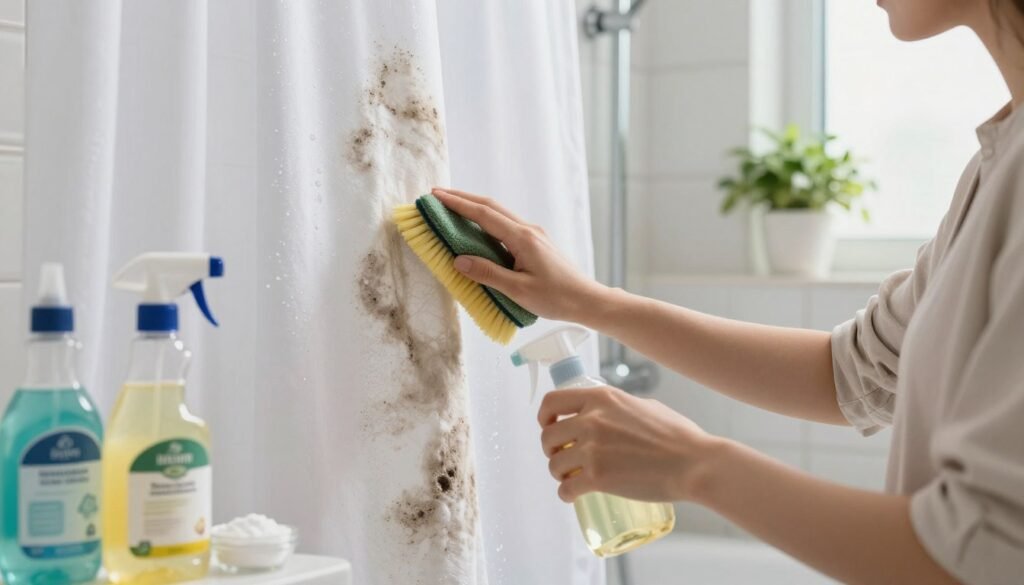
Many homeowners find that simple pantry staples work wonders when they need to know how to clean mold off shower curtain surfaces. These eco-friendly options are not only safer for your family but also highly effective at neutralizing musty odors. By using items you likely already have in your kitchen, you can maintain a sparkling bathroom without relying on harsh, synthetic chemicals.
The Power of Distilled White Vinegar
Distilled white vinegar is a natural powerhouse when it comes to breaking down mold spores. Its acidic nature allows it to penetrate porous surfaces, making it much easier to learn how to clean mold from shower curtain fabric or plastic. Simply spray undiluted vinegar directly onto the affected areas and let it sit for about ten minutes before rinsing.
Creating a Baking Soda Paste for Deep Stains
For those stubborn spots that refuse to budge, a baking soda paste is an excellent solution. Mix three parts baking soda with one part water to create a thick, spreadable consistency. Apply this mixture to deep stains and use a soft brush to gently scrub the surface, which helps lift the mold away from the material.
Using Hydrogen Peroxide as a Natural Bleach Alternative
If you are looking for a way to brighten your curtain without using chlorine bleach, hydrogen peroxide is your best choice. It acts as a gentle whitening agent that kills mold on contact. Spray a 3% solution onto the curtain, allow it to dwell for several minutes, and then rinse thoroughly to ensure no residue remains.
| Cleaning Agent | Primary Benefit | Best Use Case |
|---|---|---|
| White Vinegar | Acidic mold breakdown | General maintenance |
| Baking Soda | Abrasive scrubbing | Deep, set-in stains |
| Hydrogen Peroxide | Natural whitening | Disinfecting and brightening |
Choosing the right method for how to clean mold from shower curtain materials depends on the severity of the growth. Regular application of these natural solutions will keep your bathroom environment fresh and healthy. Always remember to rinse your curtain well after any treatment to prevent soap scum buildup.
Using Commercial Cleaners for Heavy Mold Infestations
Dealing with a heavy mold infestation on your shower curtain? Natural methods might not cut it. Professional-grade products are needed for deep-seated spores. Learning how to clean mold off shower curtain surfaces can save you time and make your bathroom look great again.
Selecting EPA-Approved Mold Removers
When picking a chemical cleaner, safety comes first. Choose products that are EPA-approved. These have passed safety and effectiveness tests. They kill mold spores at the root, not just cover up the surface.
Applying Cleaners Without Damaging Curtain Material
Before using harsh chemicals, check your curtain’s care label. Always do a patch test on a hidden area first. This ensures the cleaner won’t damage your curtain. Use a soft sponge and avoid harsh brushes to protect your curtain.
When to Replace the Curtain Instead of Cleaning
Some mold damage is too far gone to fix. If odors won’t go away or stains are permanent, it’s time for a new curtain. Getting a new curtain is often cheaper and cleaner than trying to remove stubborn mold.
Step by Step Guide to Machine Washing Your Curtain
Learning how to clean mold from shower curtain materials is easy with these steps. Machine washing is quick and effective, saving you from hours of manual work.
Setting the Machine for Optimal Results
Start by choosing a gentle cycle on your washing machine. Use warm water to tackle soap scum and mildew. Add a mild laundry detergent and a half-cup of white vinegar for extra cleaning power.
Adding Towels to Assist in Scrubbing
The “towel method” is a great trick for how to clean mold off shower curtain surfaces. Just add two or three clean, heavy bath towels to the machine with your curtain. These towels scrub away grime and mildew as the drum moves.
“Regular maintenance is the secret to a long-lasting shower curtain. A quick wash cycle every few weeks prevents buildup before it becomes a permanent stain.”
Drying Methods to Avoid Melting or Shrinking
Don’t dry your plastic or vinyl shower curtain in the dryer. High heat can warp, melt, or shrink it. Instead, hang it back on the rod while it’s damp to air dry naturally.
| Cleaning Method | Effectiveness | Effort Level |
|---|---|---|
| Machine Wash | High | Low |
| Hand Scrubbing | Medium | High |
| Soaking | Medium | Low |
By following these simple steps, your bathroom stays clean and inviting. Consistency is key to keeping mold and mildew away.
Hand Washing Techniques for Delicate Shower Curtains
Hand washing is the best way to clean mold from shower curtain fabrics that are too delicate for a machine. This method is gentle, ensuring you can safely remove buildup without harming the material. It also helps keep your bathroom accessories looking good for longer.
Soaking the Curtain in a Bathtub
Begin by filling your bathtub with warm water and a mild, eco-friendly detergent. Make sure the curtain is fully submerged to let the solution work its way into the fibers. Letting it soak for at least thirty minutes is key to effectively cleaning the curtain.
Targeted Scrubbing for Creases and Folds
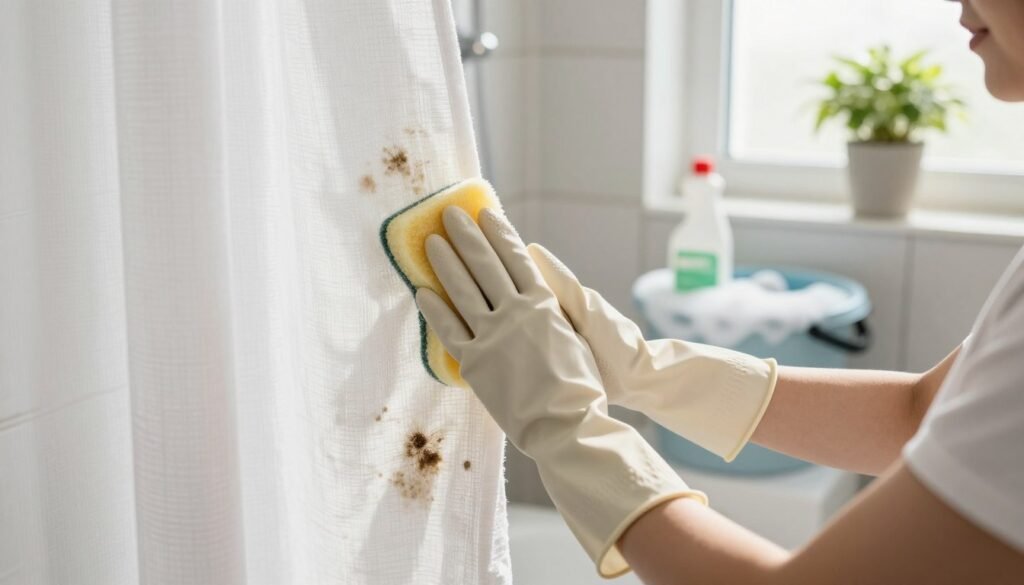
After soaking, focus on the areas where mold likes to hide. Use a soft-bristled brush or a microfiber cloth to gently scrub these spots. Pay extra attention to the creases, as they are often where mildew and dark spots grow.
Proper Rinsing Techniques
After scrubbing, drain the tub and rinse the curtain with cool, clean water. Make sure to remove all soap residue, as it can attract mold spores. Hang the curtain to air dry, which keeps its shape and prevents water spots.
Deep Cleaning Shower Curtain Rings and Hooks
If you want to know how to clean mold off a shower curtain effectively, you must also address the hardware that holds it in place. These small components are often overlooked, yet they act as a breeding ground for soap scum and mildew. Neglecting these areas can lead to rapid re-contamination of your freshly laundered curtain.
Removing Buildup from Metal Rings
Metal rings can develop stubborn grime and rust-like spots over time. To restore their shine, soak them in a bowl filled with a mixture of warm water and white vinegar for about thirty minutes. This simple step helps to loosen the mineral deposits and mold spores that cling to the metal surface.
After soaking, use an old toothbrush to scrub away any remaining residue. Rinse the rings thoroughly with clean water and dry them completely with a soft cloth to prevent future oxidation. This process is a vital part of the effort to clean mold from shower curtain hardware.
Cleaning Plastic Hooks to Prevent Mold Transfer
Plastic hooks are prone to collecting soap scum in their crevices, which can harbor mold. You can easily sanitize these by placing them in a mesh laundry bag and running them through a gentle cycle in your dishwasher or washing machine. Or, a quick soak in soapy water followed by a scrub with a sponge works wonders.
Sanitizing the Shower Rod
The shower rod is frequently exposed to moisture and steam, making it a hotspot for mildew. Wipe the entire length of the rod with a microfiber cloth dampened with a diluted vinegar solution. Pay close attention to the ends where the rod meets the wall, as this is where moisture often gets trapped.
| Hardware Type | Cleaning Agent | Best Tool | Frequency |
|---|---|---|---|
| Metal Rings | Vinegar & Water | Soft Toothbrush | Monthly |
| Plastic Hooks | Dish Soap | Mesh Bag | Bi-Monthly |
| Shower Rod | Vinegar Solution | Microfiber Cloth | Weekly |
Proactive Tips to Prevent Future Mold Growth
Stopping mold before it starts is much simpler than cleaning it up. By making a few changes in your daily routine, you can keep moisture from sticking around. This helps prevent mold from growing. Keeping your bathroom clean and fresh is all about being consistent.
Improving Airflow in the Bathroom
Too much humidity is what usually leads to mold in bathrooms. Always turn on your bathroom fan during and for 20 minutes after each shower. This helps pull moisture out of the air.
If you don’t have a fan, opening a window or leaving the door a bit open can help. Good ventilation means surfaces dry faster. This is key to clean mold from shower curtain materials and liners well.
Daily Habits to Keep Curtains Dry
One great habit is to spread your shower curtain fully across the rod after each use. This stops water from getting trapped in folds, letting air reach every part of the curtain.
Also, using a squeegee on walls and the curtain liner can remove extra water. Keeping the curtain away from wet walls or soap scum helps prevent mildew from coming back.
Using Mold-Resistant Sprays
Using a protective spray can add an extra layer of protection against mold spores. You can pick from commercial sprays or natural options like white vinegar.
These options change the surface’s pH, making it hard for mold to grow. Regular use keeps your curtain looking new for a longer time.
| Preventive Action | Frequency | Primary Benefit |
|---|---|---|
| Run Exhaust Fan | Every Shower | Reduces Humidity |
| Spread Curtain | Daily | Promotes Airflow |
| Apply Vinegar Mist | Weekly | Inhibits Spore Growth |
| Squeegee Surfaces | Daily | Removes Standing Water |
Conclusion
A clean bathroom starts with small, consistent habits. Learning how to clean mold off shower curtains keeps your home clean. This makes your space a safe haven, not a place for mold.
You now know how to fight grime with simple items at home. Knowing how to clean mold saves money and keeps your bathroom looking new. Regular cleaning stops mold before it’s a big problem.
Your hard work makes your home healthier for everyone. Share these cleaning tips with friends or family who struggle with bathroom upkeep. A clean curtain greatly improves your bathroom’s hygiene.
Check your shower area today. Small steps now prevent big problems later. Enjoy the peace of mind from a clean, refreshed bathroom.