
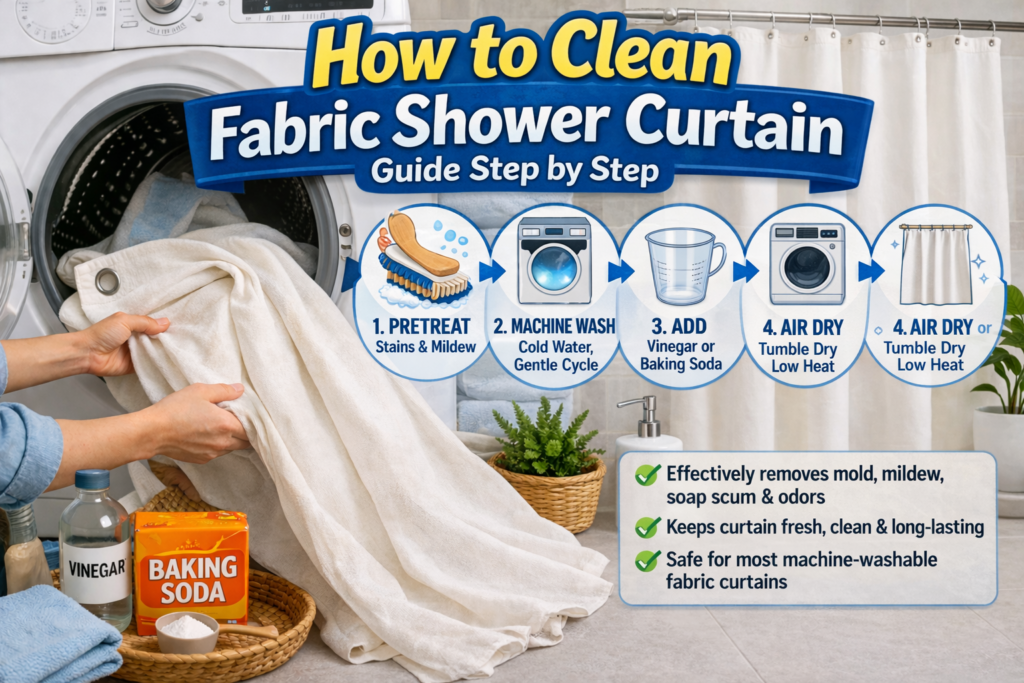
Did you know your bathroom textiles can hold more bacteria than a kitchen sink if ignored? Many people forget about these important items. They are key in stopping moisture buildup. Learning how to clean fabric shower curtain materials right keeps your bathroom clean and healthy.
You don’t need harsh chemicals or expensive services to keep these items clean. Simple, natural methods can get rid of soap scum and mildew. This way, you keep your decor looking good for longer, saving money and effort.
This guide shows you how to keep your bathroom clean and safe. Follow these steps to keep your home bright and safe for your family.
Key Takeaways
- Regular maintenance prevents the accumulation of harmful mold and mildew.
- Natural cleaning agents are often more effective and safer than harsh chemicals.
- Proper care routines significantly extend the lifespan of your bathroom textiles.
- Consistent washing cycles keep your bathroom environment hygienic and fresh.
- Simple, step-by-step methods save time and reduce replacement costs.
Understanding Your Fabric Shower Curtain Materials
Knowing what your shower curtain is made of is key to a deep clean. Before you start, figure out the material to clean it right. Learning how to clean fabric shower curtain items right keeps your bathroom spotless.
Identifying Fabric Types
Most curtains are either natural or synthetic. Natural fibers like cotton, linen, or hemp look great but need gentle care. Synthetic materials, like polyester or nylon, are tough and easy to keep up.
Knowing your curtain’s material helps pick the right cleaner. Wrong cleaners can harm natural fibers, causing them to fade or weaken. Always feel the curtain and check its weave before cleaning.
Checking Manufacturer Care Labels
The care label on your curtain is your best guide. It tells you exactly how to care for it. Following these instructions keeps your curtain looking good for longer.
If you can’t find the label, use a gentle, cold wash. Always follow the manufacturer’s advice to avoid damage and keep warranties valid.
Why Regular Maintenance Matters
Regular care keeps your bathroom clean and healthy. Cleaning your shower curtain regularly stops soap scum and mildew from building up. This saves you time and effort later.
Regular care also keeps your curtain looking new. By removing moisture and residue often, you keep the material bright and fresh. Consistency is truly the key to a beautiful and clean shower.
Gathering Your Cleaning Supplies
Having the right tools makes cleaning your fabric shower curtain easier. Preparing your workspace saves time and ensures a better clean. A well-stocked cleaning kit is key to a sparkling bathroom.
Essential Household Cleaning Agents
You don’t need harsh chemicals to clean your bathroom. Most effective solutions are probably in your pantry or laundry room. Distilled white vinegar is great for soap scum, and 3% hydrogen peroxide tackles mildew spots well.
For washing, a mild, natural laundry detergent works best. These gentle agents keep the fabric intact while removing odors and grime.
| Cleaning Agent | Primary Use | Benefit |
|---|---|---|
| White Vinegar | Soap Scum Removal | Natural disinfectant |
| Hydrogen Peroxide | Mildew Treatment | Brightens fabric |
| Laundry Detergent | General Cleaning | Removes body oils |
Tools for Scrubbing and Pre-treating
You’ll need physical tools for the tough parts. A soft-bristled scrub brush is great for cleaning without damage. Also, have a large plastic basin or bucket for soaking dirty curtains.
These tools help you focus on specific areas before washing. This pre-treatment is key to effective cleaning.
Safety Precautions for Cleaning Chemicals
Always prioritize safety with cleaning supplies. Never mix chemicals like bleach and vinegar, as it can release toxic fumes. Clean in a well-ventilated area by opening a window or using the exhaust fan.
- Wear rubber gloves to protect your skin from irritation.
- Keep all cleaning agents out of reach of children and pets.
- Read the labels on your detergent to ensure it is safe for your specific fabric type.
By following these simple safety rules, you can clean your fabric shower curtain safely and efficiently.
Preparing the Curtain for the Wash
Getting your bathroom textiles ready for a deep clean is key. Knowing how to clean fabric shower curtain materials right keeps them and your washing machine in good shape. A few extra minutes of prep work can make a big difference.
Removing Hooks and Hardware
Start by taking off all hooks, rings, and decorations. Metal parts can damage the fabric during washing. Also, metal rings might leave unwanted rust stains on your curtain.
- Unclip all plastic or metal rings from the grommets.
- Check for any hidden clips or weights at the bottom hem.
- Place all hardware in a secure container to avoid losing them.
Inspecting for Heavy Mold or Mildew
Before washing, lay the curtain flat to check for mold or mildew. These spots often hide in folds or at the bottom hem. If there’s a lot, a regular wash might not get rid of it.
Spotting these areas early lets you treat them first. This way, your curtain will look fresh and clean.
Pre-treating Stubborn Stains
For tough stains, pre-treatment is essential. You can make a paste with baking soda and water or use a mild stain remover. Gently rub the solution into the fabric with a soft brush or cloth.
Let the treatment sit for about fifteen minutes before washing. This simple extra step helps remove soap scum and mineral deposits, making the wash more effective.
How to Clean Fabric Shower Curtain in the Washing Machine
Refreshing your bathroom decor is easy when you know how to clean fabric shower curtain items in the laundry. Machine washing gives a deep clean that hand-washing can’t match. By following a few simple steps, you can keep your curtain looking new without harming the delicate fibers.
https://www.youtube.com/watch?v=HhOhG38Yvtk
Selecting the Right Cycle and Temperature
To keep your curtain in good shape, always pick the delicate or gentle cycle on your washing machine. High-speed agitation can cause fraying or damage to the fabric weave. Always use cold or warm water to prevent the material from shrinking or losing its shape during the wash.
Choosing the Best Detergent and Additives
Choosing the right cleaning agents is key for success. Use a high-quality, natural detergent that is tough on grime but gentle on fabrics. You may also consider adding a scoop of sodium percarbonate to the drum. This natural additive is excellent for eliminating stubborn microbes and lingering odors that often accumulate in humid bathroom environments.
- Use a mild, eco-friendly liquid detergent.
- Add sodium percarbonate for a deeper sanitizing boost.
- Avoid harsh bleach, which can weaken synthetic or cotton fibers over time.
Using Towels to Protect the Fabric
A clever trick to ensure a balanced load is to toss two or three clean white towels into the machine with your curtain. These towels serve two important purposes during the cycle:
First, they act as a buffer to prevent the curtain from tangling or tearing against the drum. Second, the texture of the towels provides a gentle scrubbing action that helps lift soap scum and mineral deposits from the fabric surface. This simple addition makes learning how to clean fabric shower curtain materials much more effective.
How to Clean a Fabric Shower Curtain Liner
The liner is the real hero of your shower, not the decorative curtain. It faces more moisture, soap scum, and mineral deposits than any other bathroom item. Knowing how to clean a fabric shower curtain liner is key to a clean and fresh bathroom.
Hand-Washing vs. Machine-Washing Liners
Choosing between hand-washing and machine-washing depends on the liner’s material. Most liners are safe for the machine, but always check the tag. If it’s delicate or has a special coating, hand-washing in a bathtub is safer.
To hand-wash, use warm water and a mild detergent. Soak the liner for 30 minutes to soften grime. Then, gently scrub it with a soft cloth. This method helps keep the fabric in good shape longer.
Removing Soap Scum and Mineral Deposits
For liners with heavy buildup, a deep soak is the best solution. Mix warm water with a cup of white vinegar to tackle mineral deposits. The vinegar’s acidity helps break down soap scum on the fabric.
For tough spots, make a paste with baking soda and water. Rub this paste on the spots before washing. This natural pre-treatment makes your liner look new without harsh chemicals.
When to Replace Your Liner
Even with good care, your liner will eventually need to be replaced. Look out for black spots that don’t go away after cleaning. These spots often mean mold that can harm your bathroom’s air.
Also, if the fabric frays or the grommets rust, it’s time for a new liner. Replacing it every few months keeps your shower clean, bright, and inviting for everyone.
Drying and Reinstalling Your Curtain
Proper drying is key to keeping your hard work fresh. Finishing the drying process right prevents moisture buildup. This keeps your bathroom healthy. Whether it’s a decorative curtain or a fabric shower curtain liner, the final steps are vital for its life.
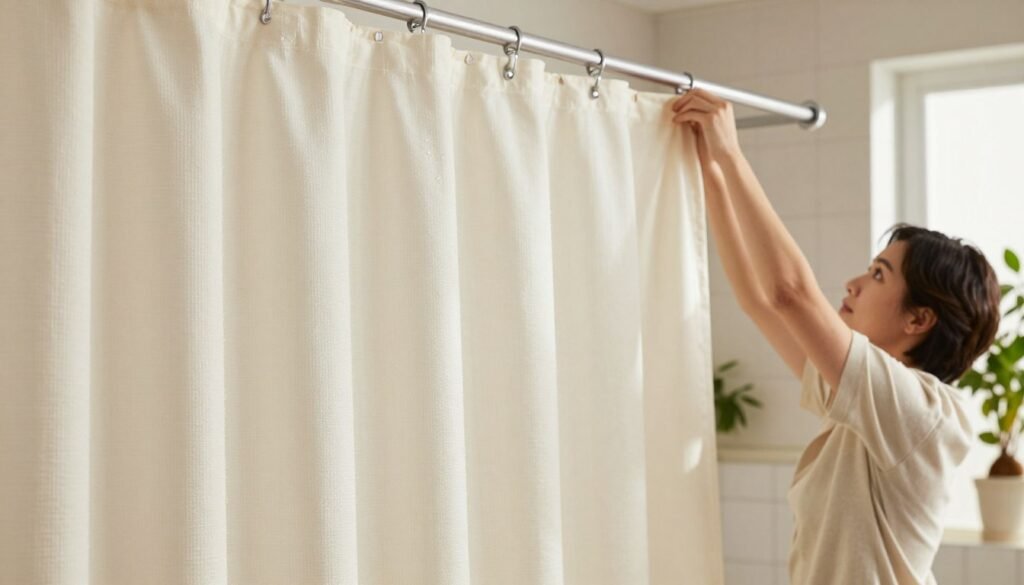
Safe Drying Methods to Prevent Shrinkage
Always hang your curtain outside in the sun if you can. The sun’s UV rays are a powerful disinfectant that gets rid of moisture. If hanging outside isn’t possible, use a dryer with care.
- Always select a low-heat setting to protect delicate fibers.
- Remove the curtain while it is slightly damp to prevent over-drying.
- Avoid high heat, which can cause synthetic materials to melt or natural fabrics to shrink.
Ironing or Steaming Out Wrinkles
If your curtain looks a bit crumpled after washing, don’t worry. A quick touch-up can make it look new again. Use a handheld steamer to gently remove wrinkles while it hangs.
“A well-maintained shower curtain is the hallmark of a clean and inviting bathroom space.”
If you prefer ironing, check the care label first. Make sure the fabric can handle the heat. Always use a pressing cloth to prevent scorching or damage.
Proper Reattachment Techniques
Once your curtain is dry, it’s time to put it back up. Carefully attach the hooks or rings so the fabric hangs evenly. This helps the curtain dry faster by preventing water from collecting in folds.
Remember, knowing how to clean a fabric shower curtain liner is just the start. By spacing the curtain right and avoiding bunching, you improve airflow. This small habit greatly reduces mold risk in your bathroom.
Natural Solutions for Mold and Mildew Prevention
Stopping mold and mildew before it starts is easier than cleaning it up later. By taking small steps, you can keep your bathroom textiles fresh for longer. Learning how to clean a fabric shower curtain liner starts with controlling moisture.
Using Vinegar and Baking Soda
White vinegar is great at killing mold spores naturally. Mix equal parts water and distilled white vinegar in a bottle. This mix is safe for most fabrics and gets rid of odors fast.
For tough spots, make a paste with baking soda and water. Use a soft brush to gently scrub the area. This method is gentle and won’t harm your fabric.
“An ounce of prevention is worth a pound of cure.”
The Power of Essential Oils
Essential oils like tea tree, eucalyptus, and lavender have natural antimicrobial properties. Adding a few drops to your vinegar spray makes it even more effective. These oils fight mildew and make your bathroom smell great.
Always shake your spray bottle well before use. This ensures the oils are evenly distributed. It makes cleaning more enjoyable and keeps your shower area clean and inviting.
Establishing a Weekly Cleaning Routine
Being consistent is key to a mold-free bathroom. Spray your curtain with vinegar solution once a week after showering. This stops soap scum from sticking.
Good ventilation is also vital. Always use your bathroom fan or open a window for thirty minutes after showering. By doing this, your shower curtain will stay clean and bright without needing deep cleaning.
Troubleshooting Common Cleaning Challenges
Even with regular cleaning, you might face tough issues now and then. If your bathroom doesn’t smell fresh, it’s time to tackle these problems. Learning how to clean a fabric shower curtain liner well can prevent early replacement.
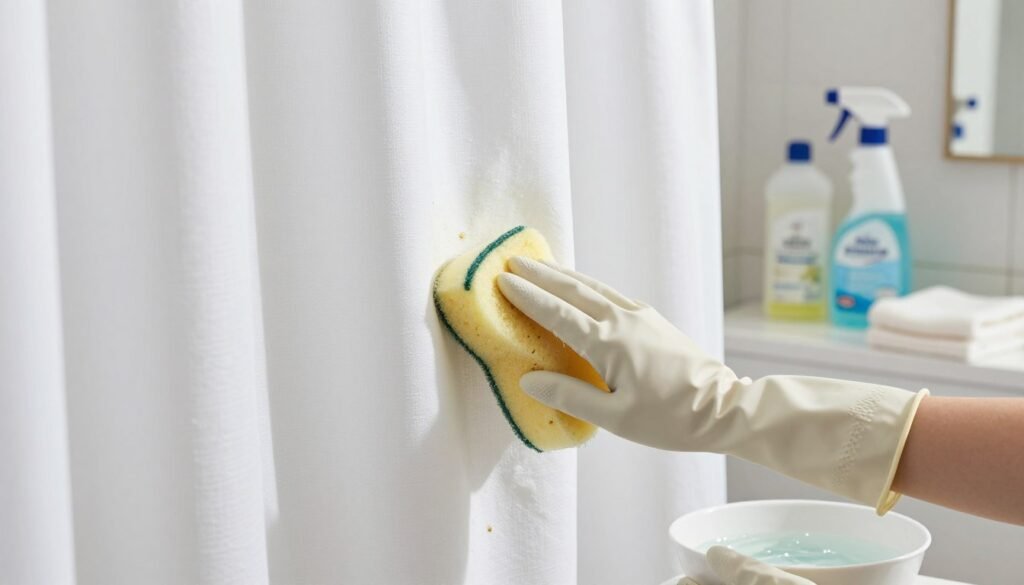
Dealing with Persistent Odors
A musty smell after washing means bacteria or mildew are trapped. To get rid of these, add half a cup of baking soda to your detergent. For an extra boost, soak the fabric in warm water and white vinegar for thirty minutes before washing.
Removing Rust Stains from Grommets
Metal grommets can leave orange stains on your fabric. To fix this, mix lemon juice and salt to make a paste. Apply it to the stains and wait fifteen minutes before brushing gently. This method is safe and effective.
Restoring Fabric Color and Brightness
Fabric curtains can lose their color and brightness over time. To make them look new again, use a mineral-based cleaner like Borax. Add a quarter-cup of Borax to your wash to remove grime and brighten the fabric. Consistent care keeps your bathroom clean and welcoming.
Conclusion
A clean bathroom starts with daily details. Learning to clean your fabric shower curtain liner is key. It keeps your bathroom a clean, fresh space, not a place for mildew.
Being consistent is the secret to keeping your bathroom clean. Simple steps like stretching your curtain after a shower or using vinegar spray help. These actions make deep cleaning easier and save you time.
You now know how to tackle soap scum and care for your curtains. Use products like Tide or Seventh Generation for best results. Share your cleaning tips with friends who also want a clean home.
By taking care of your home, you create a healthier space for your family. Enjoy a bathroom that shines. Your effort to keep things clean makes a big difference in your daily life.